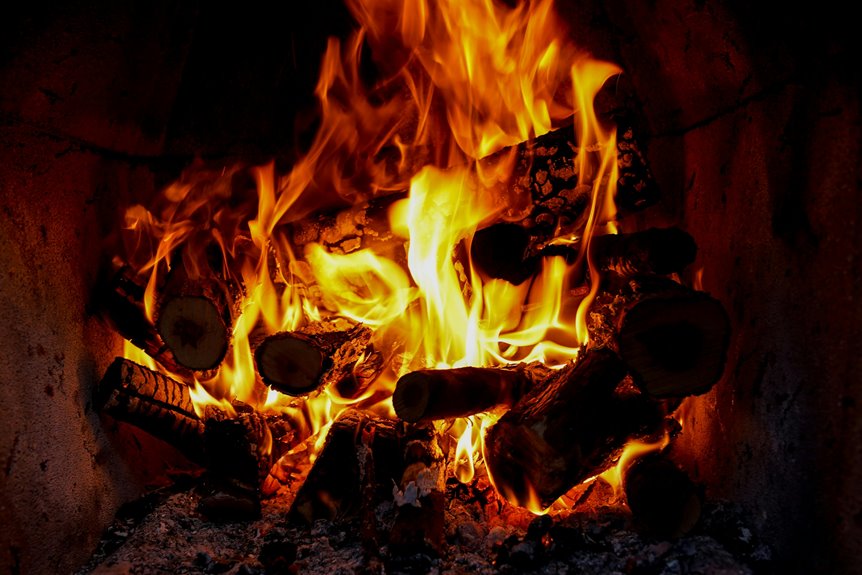
Your direct vent fireplace pulls fresh outdoor air through an outer pipe, burns it safely in a sealed chamber, then pushes exhaust gases back outside through an inner pipe—like a two-lane highway for air!
A built-in blower circulates the heat throughout your room while a glass door keeps flames contained and your home protected.
You get warm comfort without wasting energy like traditional fireplaces do.
Want to learn exactly where you can install one and keep it running smoothly?
Why Choose a Direct Vent Fireplace?
Ever wished you could enjoy a real fireplace without the hassle of a chimney? A direct vent system makes this possible!
You’ll appreciate how these fireplaces operate independently from your home’s air. The sealed design keeps combustion gases safely outside while drawing fresh air directly from outdoors. No messy ductwork cluttering your walls!
Here’s what makes them practical: They work without electricity for basic operation, and you can install them almost anywhere. Need venting through your wall? Done! Prefer routing through the ceiling? You have options.
The high-temperature glass panel separates the flames from your living space, protecting your family completely. You’re getting authentic fireplace ambiance with modern efficiency.
Ready to add a direct vent fireplace to your home? It delivers comfort, flexibility, and warmth you’ll value.
Direct Vent vs. Open and Vent-Free Fireplaces: What’s the Difference?
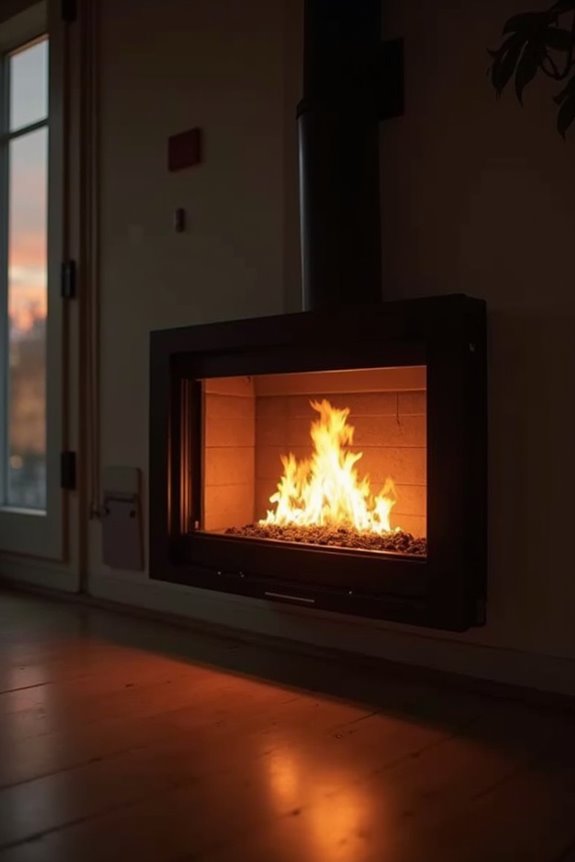
When you’re shopping for a fireplace, you’ve got choices—and they’re not all created equal! Direct venting gives you practical benefits. Unlike open fireplaces that let cold air rush down your chimney, direct vent models pull fresh air from outside. You stay warm without drafts stealing your comfort.
Vent-free fireplaces might sound convenient, but they release combustion gases into your home. That’s not ideal for your family’s health. Direct venting avoids this problem. Your sealed firebox keeps indoor air clean and safe.
Here’s what you get: efficient heating, realistic flames, and confidence in your choice. Direct vent fireplaces deliver comfort with proven performance.
How the Double-Pipe System Brings Fresh Air In and Pushes Exhaust Out
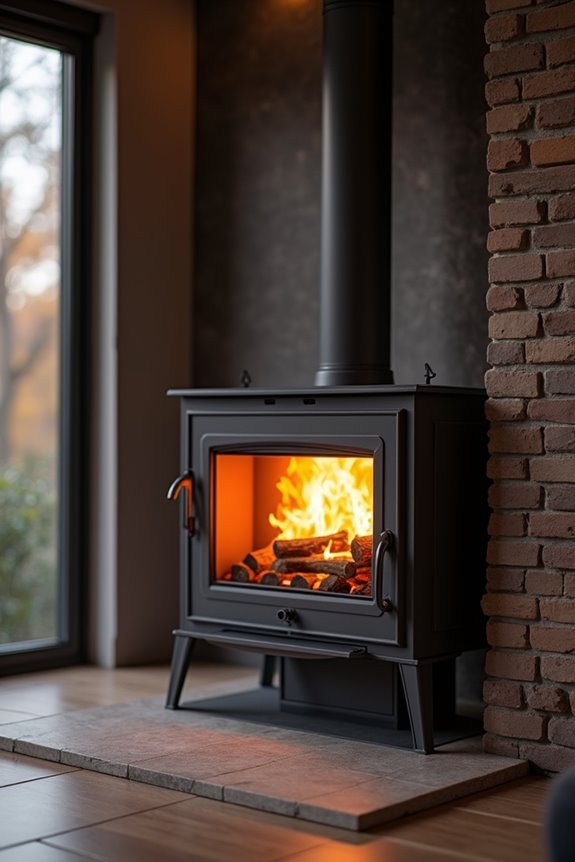
You’re going to enjoy how the double-pipe system works! Inside those nested pipes, you’ve got fresh outside air flowing down the outer pipe to fuel your fire, while hot exhaust gases zip up the inner pipe and escape outdoors—it’s like your fireplace is breathing in and out at the same time! This clever setup keeps your home’s air clean and your heating efficient without stealing oxygen from your living space.
Dual Pipe Configuration Design
The dual-pipe system of a direct vent fireplace demonstrates intelligent engineering design. Two pipes work together functionally: the outer pipe draws fresh air from outside to the firebox’s bottom for combustion, while the inner pipe directs exhaust gases outdoors, maintaining indoor air quality. Outer diameters typically measure 6 5/8 or 8 inches, with a 4-inch inner flue for exhaust routing. Direct venting prevents indoor air contamination. These pipes navigate through walls or ceilings using elbows for directional changes. The sealed system configuration provides safety benefits while optimizing heating performance.
Air Exchange and Exhaust Flow
How does a direct vent fireplace pull in fresh air while pushing stale exhaust out at the same time? A air exchange system makes this possible. Here’s how it works: fresh outdoor air travels down the outer pipe, reaching your firebox’s bottom where combustion needs it most. Meanwhile, hot exhaust gases rush up the inner pipe and escape outside. Think of it like a two-lane highway—one direction brings fresh supplies in, while the other carries waste out. This simultaneous air exchange keeps your fire burning efficiently without stealing oxygen from your home. You’re getting warmth and comfort while your indoor air stays clean and untouched. That’s the benefit of direct vent design.
Where Does the Fresh Air Come From?
Ever wondered where a direct vent fireplace gets its air? You’re not alone! With direct venting, your fireplace pulls fresh outside air through the outer coaxial flue. Here’s how it works: that outer pipe—typically 6 5/8 to 8 inches wide—draws combustion air straight from outdoors to your sealed firebox. Think of it as your fireplace’s personal oxygen delivery system! The air travels down to the firebox bottom, fueling ignition and combustion. Meanwhile, the inner flue handles the dirty work, carrying exhaust gases outside. You stay comfortable indoors because combustion byproducts never mix with your home’s air. This sealed-chamber design keeps your indoor environment clean and safe. Whether you’re venting through walls or rooftops, that fresh air supply stays constant and reliable!
How the Sealed Glass Door Keeps Your Home Safe
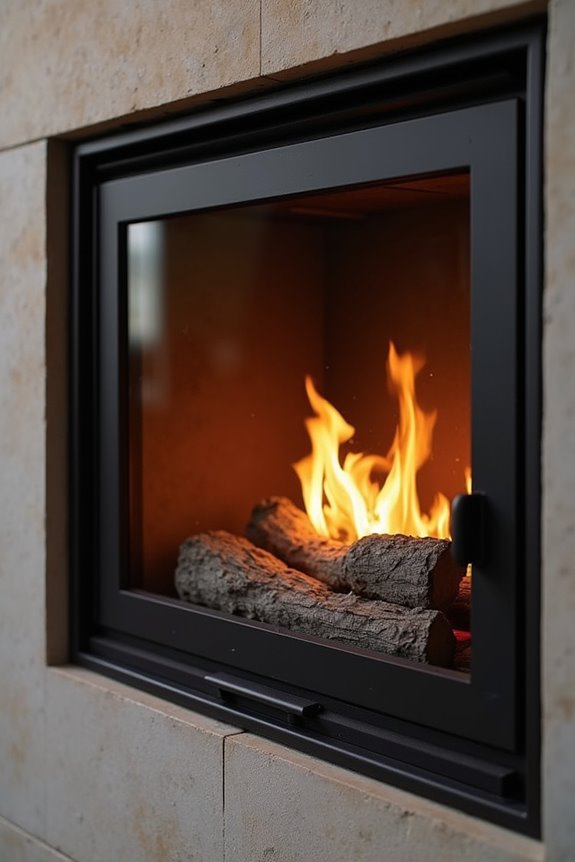
Why’s that glass door so important? It’s your home’s best friend! The sealed glass front keeps dangerous combustion gases from sneaking into your living space.
Here’s how it works: that high-temperature glass panel withstands intense heat while giving you a perfect view of the flames. You’re protected because the sealed firebox contains all the combustion inside. No nasty byproducts escape into your air!
Think of it like a shield. Protective screens add extra safety, keeping flames contained. Combined with direct venting, this design pulls exhaust straight outside through a dedicated vent. Your indoor air stays clean and fresh.
You get practical benefits: a beautiful fire to enjoy and peace of mind knowing your family breathes safer air. That’s efficient, smart fireplace design!
How Heat Gets Into Your Living Space
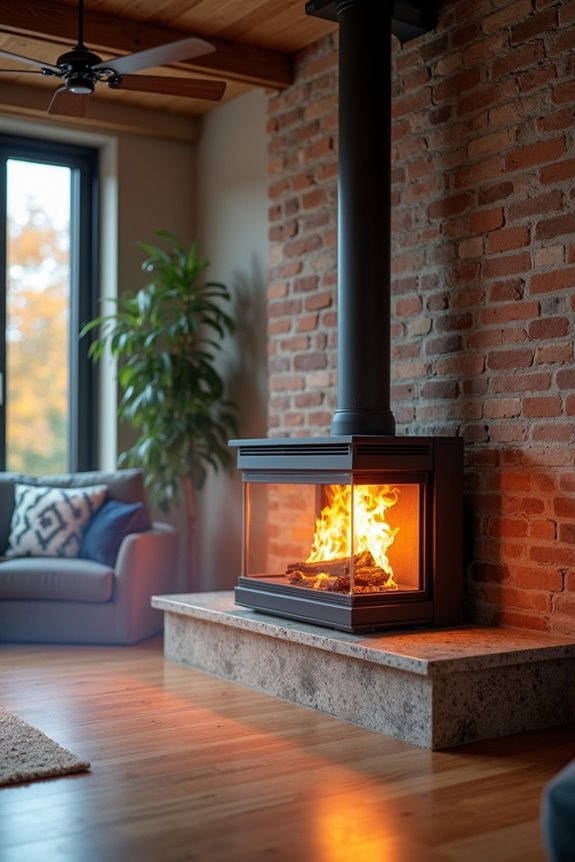
Once you’ve got that sealed firebox safely containing all the combustion, you’re ready for the warmth! Your Direct Vent Fireplace uses a smart two-part heating system to warm your living space efficiently.
First, radiant heat radiates directly from the fireplace’s face into your room. You’ll feel this warmth spread outward immediately.
Second, a built-in blower circulates room air around the sealed firebox. This air absorbs heat and returns it to your space, creating consistent warmth throughout.
Together, these heating methods work effectively to deliver comfort. You’re getting heat without sacrificing indoor air quality or safety. That’s what makes direct vent fireplaces a smart choice for your home.
How the Blower Spreads Warmth Through Your Room
The blower’s job is to take that radiant heat and spread it everywhere! Your direct fireplace includes a built-in blower that works like a helpful teammate with the fire. As flames heat the air around the firebox, the blower pulls in cooler room air, warms it up, and pushes it back out into your living space. This continuous cycle means you’re not just feeling warmth near the fireplace—you’re getting heat distributed throughout the entire room!
| Step | What Happens |
|---|---|
| 1 | Blower draws in cool room air |
| 2 | Air heats near the firebox |
| 3 | Warmed air circulates back out |
This convection process works fast. You’ll notice temperature increases within minutes. The blower converts radiant heat into active warmth that reaches every corner!
Direct Vent Venting: Flexible vs. Rigid Routes
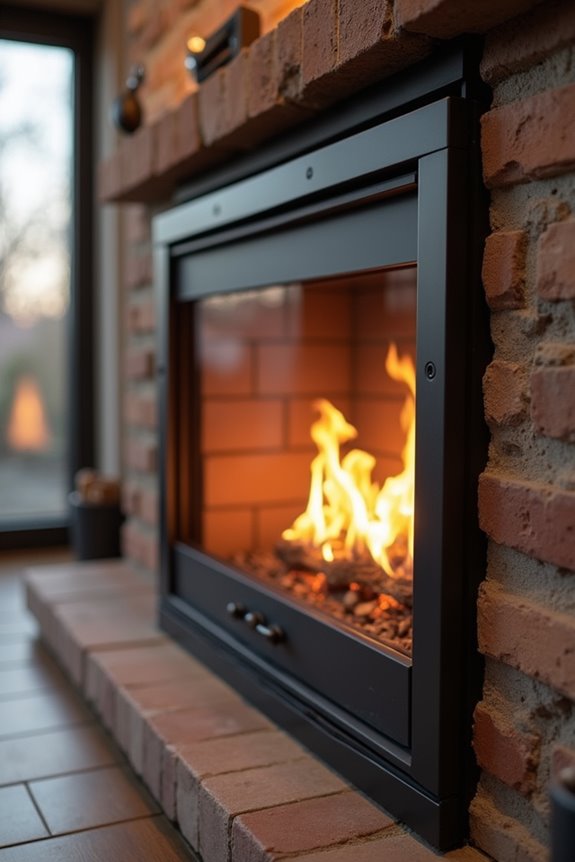
When you’re installing your direct vent fireplace, you’ll choose between flexible and rigid venting routes to get that exhaust safely outside. Flexible tubing bends around your home’s obstacles like joists and beams, while rigid pipes offer solid stability and reliable performance. Both options work well—so which path will you take to route your venting?
Flexible Routing Applications
How’d you like to install your direct vent fireplace without tearing apart your walls?
Flexible routing gives you freedom! You can bend the venting around joists and beams, dodging obstacles that rigid pipes can’t handle. Want your fireplace in a tricky corner? No problem. The flexible tubes snake through tight spaces, making through-wall or through-ceiling installations easier.
You’ll bend elbows at 90° and 45° angles to match your home’s layout. This flexibility means you’re not stuck with one installation spot. Your fireplace adapts to your space, not the other way around!
Best part? Many homeowners have customized their direct vent setups using flexible routing. Flexible routing keeps your firebox sealed and safe while giving you installation options rigid venting simply can’t match. That’s real convenience!
Rigid Venting Advantages
Rigid venting won’t kink or crush under pressure, and it handles those tricky 90° and 45° elbows without compromising performance. Your venting system maintains its integrity through walls and ceilings, keeping combustion gases safely exhausted while fresh outside air flows in reliably.
Choose rigid systems for dependable, long-lasting venting results.
Installation Obstacle Navigation
What’s standing between you and your fireplace installation? Obstacles like joists, beams, and stairs don’t have to stop you!
Flexible venting works effectively. You can route direct venting around anything in your path. Need to navigate around a staircase? Done! Studs blocking your route? Flex venting handles it! You’ve got options: 4-inch inner flues, 6 5/8″ or 8″ outer flues, and both 90° and 45° elbows for creative routing.
Rigid venting offers a non-flexible alternative if you prefer straightforward paths. Either way, you’ll complete your installation!
Here’s your next move: measure your space and identify obstacles. Then choose flexible venting for maximum freedom or rigid venting for simplicity. You’ll navigate those tricky spots effectively. Your fireplace installation isn’t blocked—it’s just finding the perfect path!
How to Route a Direct Vent Fireplace
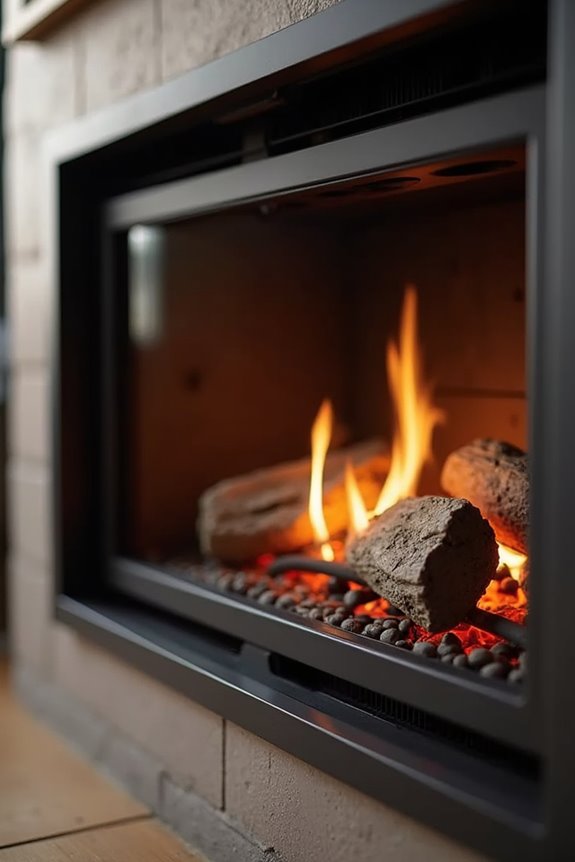
Use rigid or flexible sections with elbows to navigate around obstacles in your home. The outer flue typically measures 6 5/8″ or 8″ in diameter, while the inner flue is often 4 inches. Your venting terminal sits outside, connecting everything together. With careful planning, you’ll route your system smoothly and efficiently.
Direct Vent vs. Open Fireplaces: Efficiency Compared
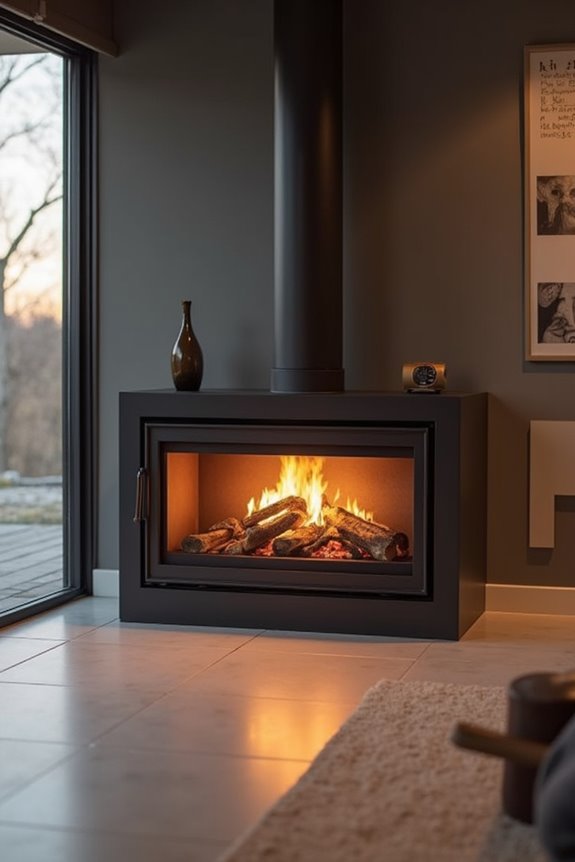
When you compare direct vent fireplaces to old-fashioned open ones, you’ll notice some clear differences in how they work. Direct vent units capture outside air, burn it efficiently, and trap heat inside—while open fireplaces let most of your warmth escape up the chimney, which means you’re losing money. You can control your direct vent fireplace’s heat output with a blower and thermostat, giving you real power over comfort and energy bills.
Efficiency Ratings And Output
How much heat actually makes it into your home? Direct vent efficiency ratings typically range from 60% to 80%, meaning most of your heating dollars work hard for you! Compare that to traditional open fireplaces, which waste up to 90% of heat up the chimney. You’re getting real warmth where it counts.
Direct vent systems deliver immediate heat through built-in blowers that circulate room air around the firebox. This means you’ll feel comfortable warmth fast! The sealed combustion chamber keeps cold outdoor air from sneaking into your living space, protecting your comfort investment.
While vent-free units approach 99% efficiency, they don’t exhaust outside. Direct vent fireplaces balance exceptional performance with safe venting. You’re choosing smart heating that protects both your wallet and indoor air quality!
Combustion Air Management Systems
What’s the real difference between where your fireplace gets its air?
You’ll find the answer in how your unit manages combustion. Direct vent systems create a sealed direct vent air pathway that pulls fresh outside air through an outer flue while pushing exhaust out through an inner flue. Think of it like a two-lane highway—fresh air comes in one direction, hot gases exit another!
Open fireplaces? They’re different. They grab air from your room and vent through a chimney, which wastes your home’s heated or cooled air. Not ideal!
Here’s why this matters: direct vent units achieve 60-80% efficiency because they’re sealed and controlled. You’re not losing indoor comfort. Your fireplace works smarter, not harder, keeping your space cozy while protecting your wallet!
Heat Distribution And Control
Because your fireplace’s heating method shapes your comfort and energy bills, understanding heat distribution matters. A direct vent system delivers superior warmth compared to traditional open fireplaces. Here’s why: your direct vent fireplace draws outside air for combustion, keeping indoor air clean and warm. A built-in blower circulates heated air throughout your space efficiently. Meanwhile, open fireplaces pull room air up the chimney, losing precious heat and wasting energy.
Want instant, controlled warmth? Your direct vent system provides exactly that! The sealed combustion chamber and glass front work together, creating radiant heat that spreads evenly. You’ll notice the difference right away—better temperature control, lower heating bills, and consistent comfort. That’s what you gain by choosing the right fireplace technology for your home.
Temperature Control and Realistic Flame Appearance
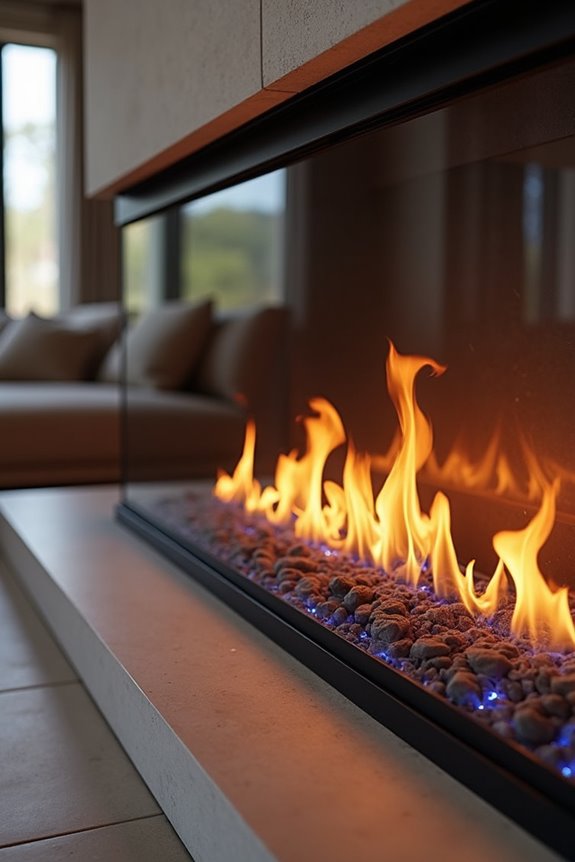
Why does a direct vent fireplace’s flame look so much like a real wood fire? Direct vent fireplaces use smart temperature controls that create realistic flames! You’ll notice the flame height adjusts smoothly, mimicking how wood fires naturally flicker and dance. The sealed combustion process means your flames burn cleaner and more consistently than vent-free options.
Here’s what makes them special: you control the heat output with simple settings, so you can dial in your preferred ambiance. The glass front protects the burning area while letting you enjoy those orange and yellow flames. Want more warmth? The built-in blower kicks in to push heat throughout your room efficiently.
You’re getting that cozy wood-fire experience without the mess or hassle!
Direct Vent Fireplaces Keep Your Indoor Air Clean
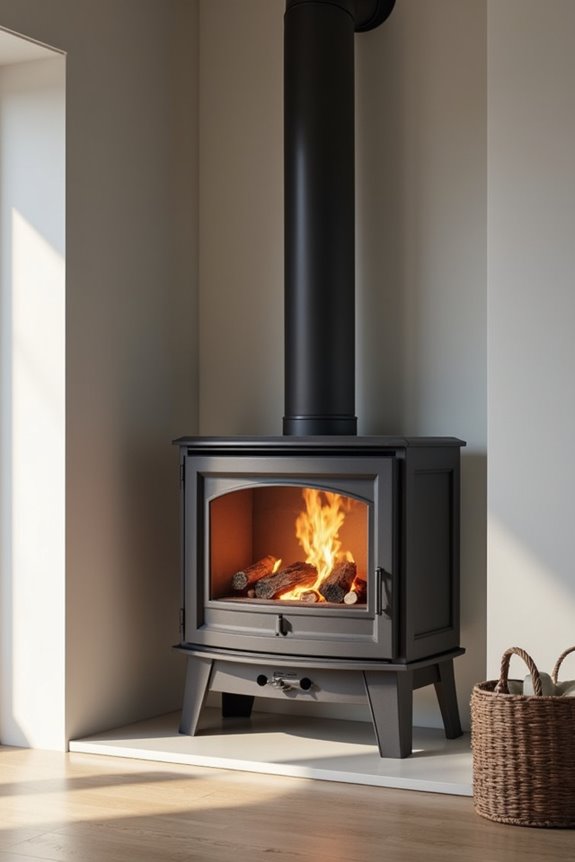
Beyond creating beautiful flames, your direct vent fireplace does something even more important—it keeps the air you breathe clean and safe!
Unlike other fireplaces, your direct vent system works hard to protect your home’s indoor air quality. Here’s how you benefit:
- Outdoor air powers combustion — Fresh air enters through an outer vent, so your indoor air doesn’t get burned up
- Sealed design prevents pollution — The glass front and sealed firebox keep combustion byproducts completely separate from your living space
- No indoor air contamination — You’re not sacrificing your home’s air quality for cozy warmth
Your direct vent fireplace proves you don’t have to choose between comfort and clean air. You’re making a smart choice for your family’s health while enjoying beautiful, realistic flames. That’s a practical benefit!
Where You Can Install a Direct Vent Fireplace
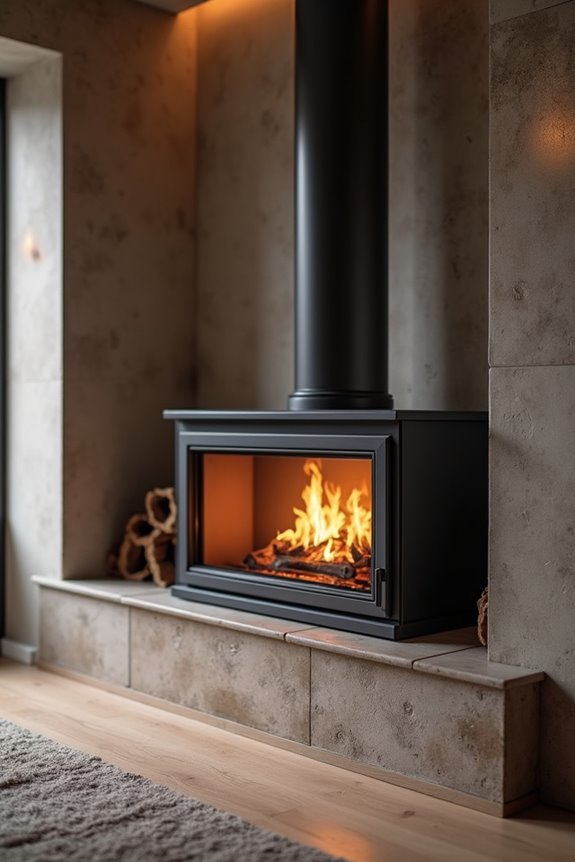
You have options when routing your direct vent fireplace, which makes installation flexible. Whether you’re venting straight through a wall, running ducts vertically up through your ceiling, or routing them horizontally along your home’s exterior, you can customize the setup to fit your space. From bedrooms to finished basements, you can place your fireplace almost anywhere you want—no chimney required.
Flexible Wall Installation Options
One of the best perks of direct vent fireplaces is their flexibility in placement—you’re not locked into a specific location like you’d be with traditional chimneys!
Your direct vent fireplace can go nearly anywhere in your home. You’ll route the venting system through walls, ceilings, or even exterior sides. Here’s how you can customize the installation:
- Adjust vent lengths from 4 to 48 inches to fit your exact space
- Use 90° and 45° elbows to navigate around joists and beams
- Choose rigid or flexible sections depending on your walls and structural supports
This adaptability means you’re designing a fireplace solution that works for *your* home, not forcing your home to work for the fireplace! You’ll have the creative freedom to install it exactly where you want it.
Vertical and Horizontal Routing
Where’s the best place to put your direct vent fireplace? You have flexibility! Direct venting lets you route your fireplace through walls horizontally or straight up through your roof vertically. Pick what works best for your home’s layout.
Horizontal routing slides your venting through exterior walls, ideal for single-story homes or rooms without roof access. Vertical routing runs ductwork upward through your ceiling and roof—suitable for multi-story houses where you want heat distributed throughout.
Both options navigate around joists and beams with rigid or flexible piping. You won’t need a traditional chimney, so zero-clearance placement becomes possible in nearly any room! Whether you choose top or rear exits, your direct vent fireplace adapts to your space. Start planning your installation today.
Creative Room Placement Possibilities
- Bedrooms – Enjoy consistent warmth while you relax before sleep.
- Basements – Turn that cold space into your favorite hangout spot.
- Living rooms – Create an accent wall that captures attention.
Since direct vent fireplaces don’t need an existing chimney, you’re not limited by old building constraints. You can route venting through walls, ceilings, or around obstacles with ease. Side or top routing means you’ll find the right spot for your space.
Your fireplace placement should match your lifestyle, not outdated building codes. Think creatively about where warmth and ambiance will bring your family together. You have options now.
Keeping Your Direct Vent Fireplace Running Efficiently
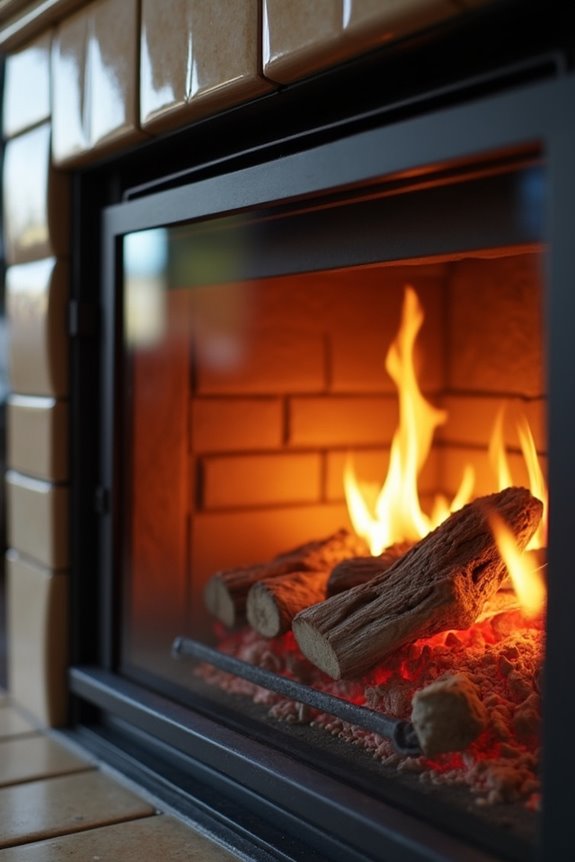
Don’t block vents or windows near your fireplace. You’ll want clear space for direct vent air to flow properly. Simple steps like these keep your fireplace running at peak performance, delivering consistent warmth when you need it most.