Modern fireplace inserts don’t need traditional dampers like old fireplaces do! Your insert uses a sealed combustion system that manages airflow independently. During installation, your old damper typically gets removed or locked open, and a block-off plate seals the opening instead. Your insert’s built-in air controls handle everything—regulating oxygen flow, flame height, and heat output. This sealed design prevents heated indoor air from escaping up the chimney. Want to understand how this works and avoid costly installation mistakes?
Do Fireplace Inserts Actually Need Dampers?
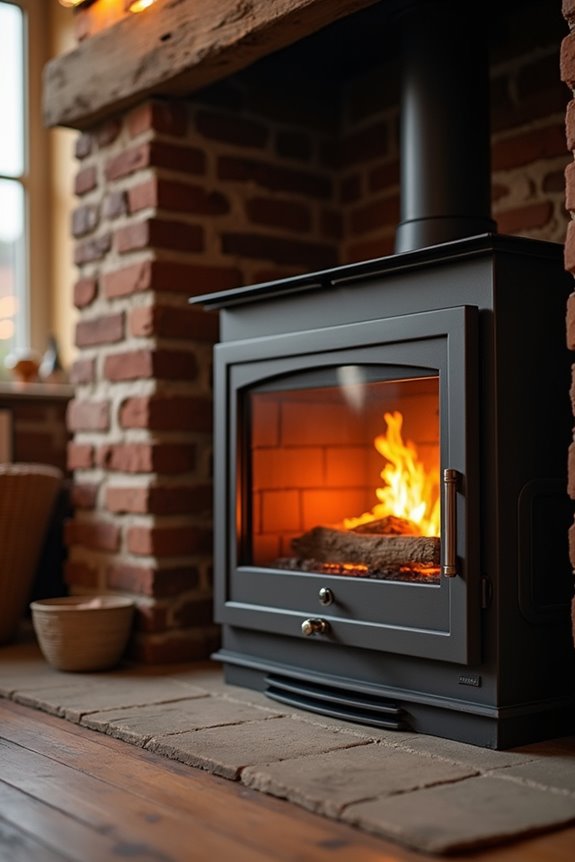
When you install an insert with a liner, a sealed system forms. The liner and block-off plate control airflow automatically. Your insert manages combustion air and exhaust far more consistently than a traditional damper ever could.
Think of it this way: the insert’s design does the heavy lifting for you. The liner handles venting independently, so you’re not stuck fiddling with a damper constantly. In many cases, installers actually remove the old damper or lock it open permanently.
Some setups still use dampers for fine-tuning, but you won’t need regular access. Your insert’s built-in system takes care of draft control automatically.
How Do Inserts Differ From Traditional Fireplaces?
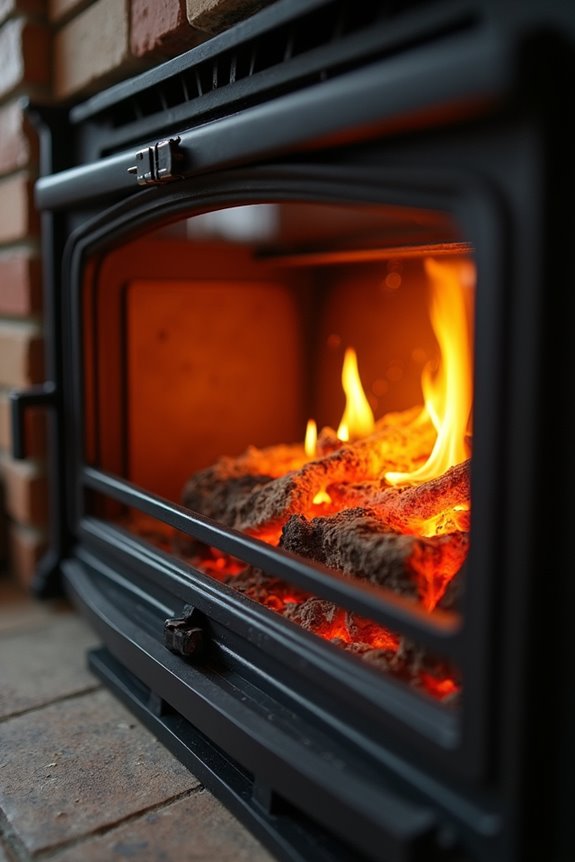
The difference between fireplace inserts and traditional fireplaces is substantial. Traditional fireplaces rely on that old damper at the top of your chimney to control airflow, but inserts work differently. You’re actually installing a sealed combustion unit that draws outside air directly for burning. Instead of depending on a manual damper, your insert uses a dedicated chimney liner system to manage draft and venting. Here’s the key: you won’t adjust a damper like you used to! Modern inserts don’t require user-adjustable dampers because they’re engineered to operate safely without them. This sealed design means you’re preventing heat loss up the chimney—something traditional fireplaces struggle with. Think of it as upgrading from an old system to a more efficient one. You’ll benefit from better efficiency and control!
The Role of Your Chimney’s Existing Damper System
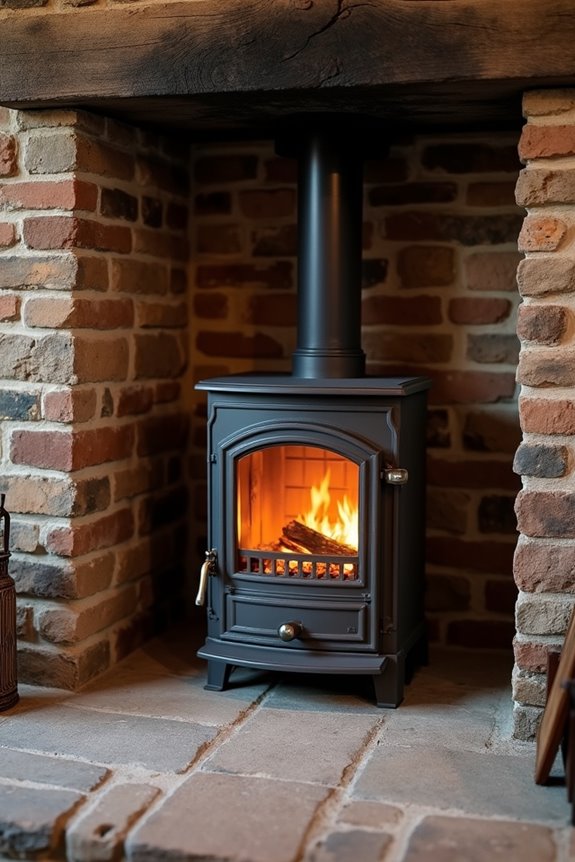
Once you’ve installed a fireplace insert, your chimney’s existing damper takes on a different role than it did before. Your damper now works alongside your insert system rather than controlling everything independently. Here’s what’s happening: many installers remove or permanently open your old damper, then install a block-off plate where the new liner passes through. This setup keeps your insert operating efficiently while preventing heat loss. Your damper’s original job of sealing the chimney shifts to your insert’s built-in system. You’ll want a certified professional inspecting this transition to verify everything’s properly sealed. This prevents drafting problems and keeps your home safe. Understanding this change helps you appreciate how your new insert and existing chimney work together.
What Do Air Controls on Inserts Actually Do?
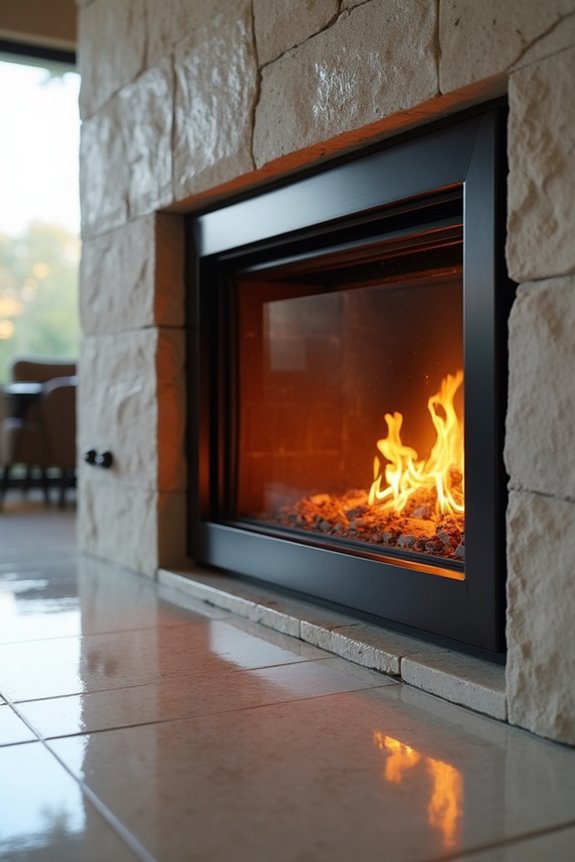
You’ll find that air controls on your insert work like the lungs of your fire, regulating how much oxygen flows into the firebox to control flame height and heat output! By adjusting intake vents, secondary air openings, and door dampers, you’re fine-tuning your burn rate—which means cleaner combustion, less creosote buildup, and better fuel efficiency for your wallet. Think of it this way: restrict the air and you get a slower, steadier burn; open it up and you get hotter flames and faster fuel consumption!
Air Intake Regulation Systems
How do those little knobs and levers on your fireplace insert actually work? They’re your way to control heat and efficiency! These air controls regulate oxygen flow into your firebox, directly affecting flame size, burn rate, and warmth output. Think of them as your insert’s lungs—controlling the breath that keeps your fire healthy.
Here’s what you’re really controlling:
- Flame intensity and height for visual appeal
- Burn rate to stretch your fuel longer
- Heat distribution throughout your space
- Creosote reduction through optimized combustion
You’ll find air controls positioned strategically—front, sides, or near the ash lip. Some modern inserts use sealed designs instead. Either way, learning to use these controls makes you a more effective operator! Start adjusting gradually and notice how your insert responds.
Draft Control Mechanisms
What’s really happening when you turn that air control knob? You’re managing how much oxygen reaches your fire! These controls don’t work like old-fashioned dampers. Instead, they regulate secondary airflow and preheated air pathways for better combustion.
| Control Action | What Happens | Benefit |
|---|---|---|
| Open fully | More air enters | Hotter flames |
| Partial open | Balanced airflow | Steady heat |
| Mostly closed | Reduced oxygen | Longer burn |
| Fine adjustments | Optimized draft control | Improved efficiency |
| Closed position | Minimal air | Slowest burn |
Your insert’s internal baffles work alongside these controls to manage draft. When you master this balance, you’ll reduce creosote buildup and enjoy steadier burning. However, if your fireplace has a damaged damper or unconnected flue, these controls alone won’t prevent downdraft completely. You might need professional relining help!
Oxygen Flow Management
When you adjust air controls, you’re managing two types of airflow:
- Primary air feeds oxygen directly to the flames for initial combustion
- Secondary air enters above the fire for cleaner, more complete burning
- Balanced settings reduce creosote buildup and create steadier flames
- Proper adjustment prevents smoke roll-out and improves draft efficiency
Getting your air controls right improves your insert’s performance. Too open? You’ll get smoke problems. Too closed? Inefficient burning. Finding that sweet spot makes you a confident fireplace operator who understands their system’s inner workings.
Why Removing the Old Damper Matters During Installation
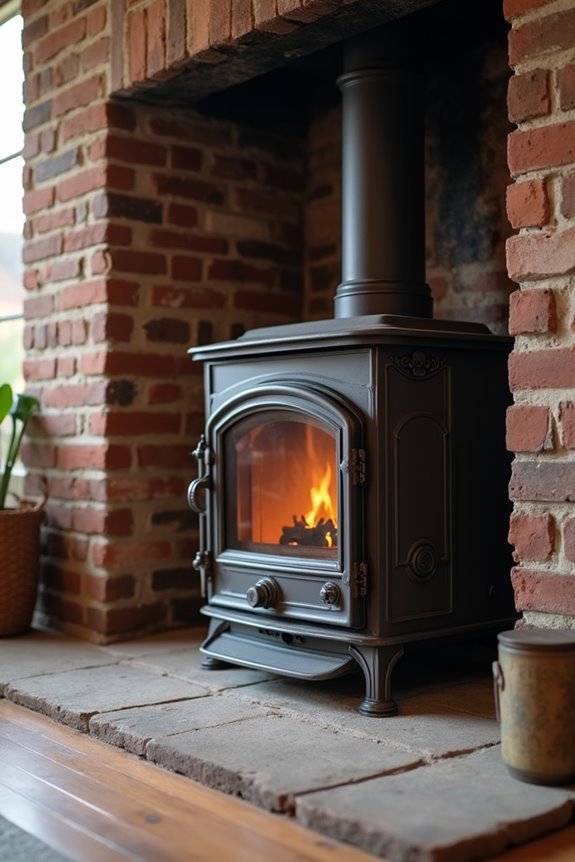
Why’s that old damper still sitting in your chimney? Removing it during installation matters more than you’d think! When you disable the old damper, you’re preventing sneaky air leaks that waste your heat. A rusted or compromised damper can’t seal properly, letting warm air escape right up the chimney—money literally floating away!
Here’s the thing: installing a block-off plate seals that damper opening completely. This creates a dead-air space that improves your insert’s efficiency significantly. You’ll also make future maintenance easier since an old damper won’t obstruct the liner passage.
Think of it this way: removing that old damper is like closing a door you didn’t know was open! You’re taking control of your heating system and joining thousands of homeowners experiencing real comfort and savings. Get that old damper out!
Blockoff Plates: Sealing Your Insert to the Liner
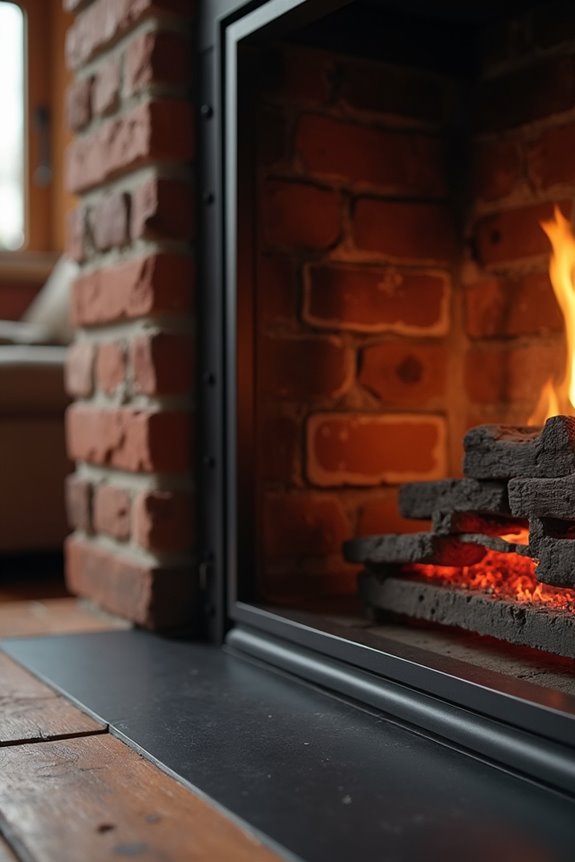
When you install a fireplace insert, you’ll need to seal the gap between your new liner and the old damper opening—and that’s where a blockoff plate comes in! This metal plate acts as a barrier that seals your chimney transition, trapping dead air around the liner to improve insulation and prevent heat from escaping into unused spaces. Getting this seal right means you’re protecting your home from drafts and keeping your heating system working at peak performance.
Blockoff Plate Installation
- Measure your liner size carefully before fabricating or ordering your plate
- Seal every edge around the plate to prevent air leaks
- Check that no gaps exist between the plate, liner, and damper opening
- Use insulated materials for maximum heat retention and performance
A properly installed blockoff plate improves your insert’s efficiency. The sealing process requires patience, but you’ll benefit from better warmth and lower heating costs. Complete this step correctly for optimal results.
Sealing The Chimney Transition
You’ve measured and installed your block-off plate—great work! Now you’re sealing the critical transition between your fireplace and liner. This plate reduces heat loss significantly by creating a dead air space around the liner.
Here’s what your block-off plate accomplishes: It prevents drafts from sneaking between the chimney and your room, which means better combustion efficiency and lower energy bills.
Proper sealing stops conditioned indoor air from escaping up the chimney. You’re creating an airtight barrier that improves your insert’s performance.
Professionals recommend double-checking your seal. Look for any gaps around edges. A correctly sealed transition improves your fireplace insert’s performance.
Draft Problems: What to Watch For
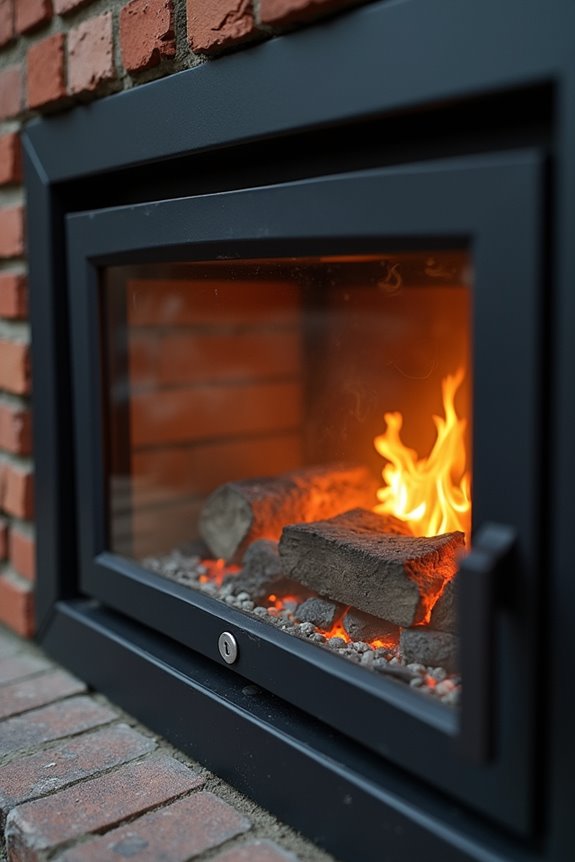
Why does your fireplace suddenly feel drafty, or worse—why’s smoke creeping back into your room? You’re likely facing draft problems tied to your damper situation!
When you install a liner with a block-off plate, improper sealing lets air bypass your system. An unconnected flue or rusted damper creates uncontrolled airflow. These issues demand attention!
Watch for these warning signs:
- Smoke backdrafting into your living space during operation
- Cold air rushing down your chimney unexpectedly
- Excessive creosote buildup inside your insert or chimney
- Whistling sounds or unusual air movement around your fireplace
Here’s your action plan: Get a professional chimney inspection immediately. They’ll identify whether your damper’s blocked, damaged, or improperly configured. Ignore these signals at your own risk—they’re your fireplace asking for help! Regular maintenance keeps your insert running safely and efficiently.
When a Flue Liner Solves Damper Issues
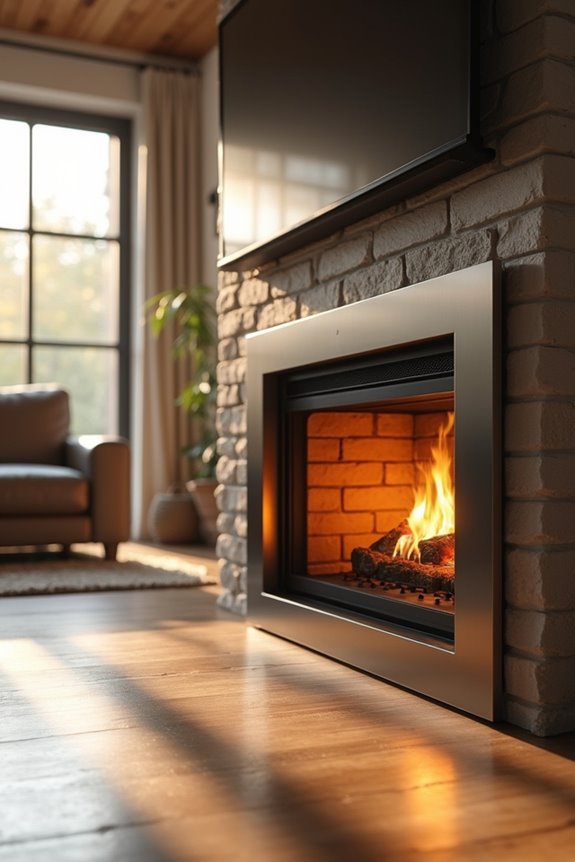
What if your damper’s stuck, rusted, or completely inaccessible? A flue liner might be your answer!
Installing a properly sized stainless steel liner creates a dedicated pathway for exhaust gases. You bypass problematic fireplace damper issues altogether. Here’s what happens:
| Problem | How Liner Helps | Result |
|---|---|---|
| Stuck damper | Provides separate vent route | Better airflow |
| Rusted damper | Eliminates reliance on it | Improved safety |
| Inaccessible damper | Works around it completely | Efficient venting |
The liner (typically 6 to 8 inches) gets sealed with a block-off plate at the damper opening. This creates a dead air space that reduces drafts and heat loss. You get better draft control without fighting old equipment.
Professional assessment confirms your liner meets codes and prevents back-drafting.
Outside Air Kits vs. Insert Damper Controls
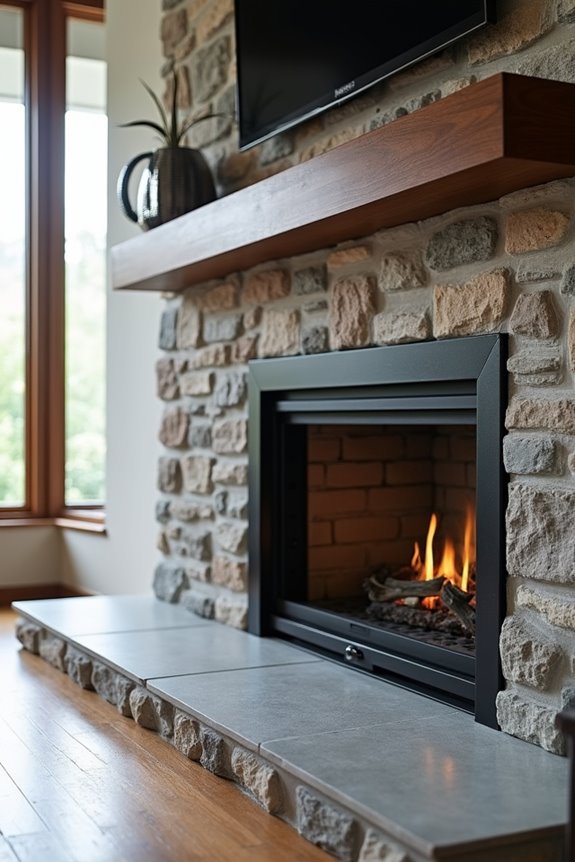
outside air kits and damper controls do completely different jobs!
Outside air kits bring fresh combustion air directly from outdoors. This keeps your home from losing heated indoor air. Meanwhile, insert dampers control airflow inside the chimney itself. Since modern inserts often have their dampers removed or fixed open during installation, they rely on internal controls instead.
Your insert uses built-in air inlets and shutters to regulate draft and combustion efficiency. Think of it this way:
- Outside air kits = where air comes from
- Insert controls = how air moves through the unit
- Proper venting = safety and efficiency combined
- Your job = understanding both systems work together
Understanding how these systems interact will help you make informed decisions about your fireplace setup.
Install Mistakes That Kill Performance
Install Mistakes That Kill Performance
Now that you understand how outside air kits and damper controls work together, it’s time to look at what actually goes wrong during installation.
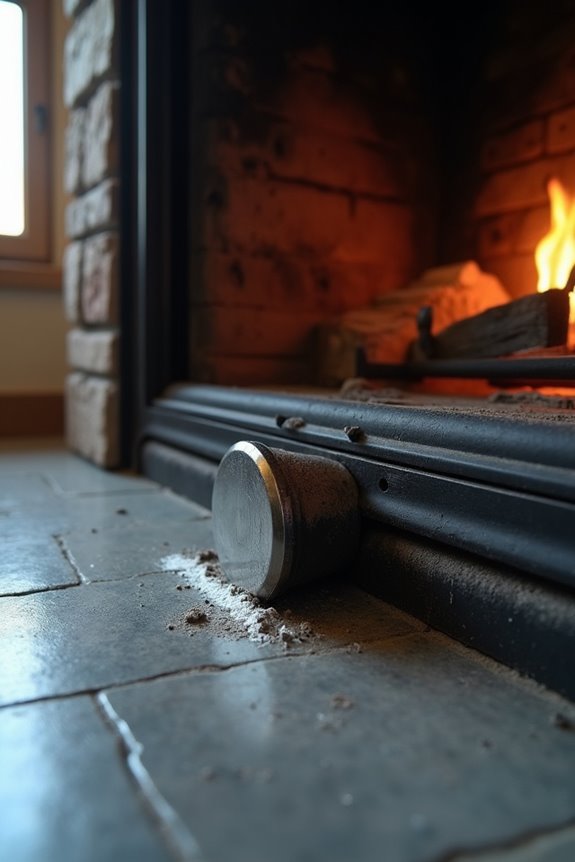
Installation mistakes seriously hurt your fireplace’s performance! Common errors include leaving dampers wide open above inserts, creating downdraft problems. Another mistake? Installing a block-off plate incorrectly, which prevents proper sealing and wastes heat.
| Mistake | Result | Fix |
|---|---|---|
| Open damper above insert | Poor drafting, downdraft | Seal with block-off plate |
| Wrong liner size | Heat loss, venting issues | Use 6-inch or 8-inch properly |
| Blocked outlet | Airflow obstruction | Clear damper surrounds |
You’ll avoid these pitfalls by choosing proper relining with sealed tops. A correctly sized stainless liner improves venting performance. Don’t let these preventable errors reduce your insert’s efficiency. Get it right the first time!
When to Hire a Chimney Pro: Red Flags Your Insert Needs Inspection
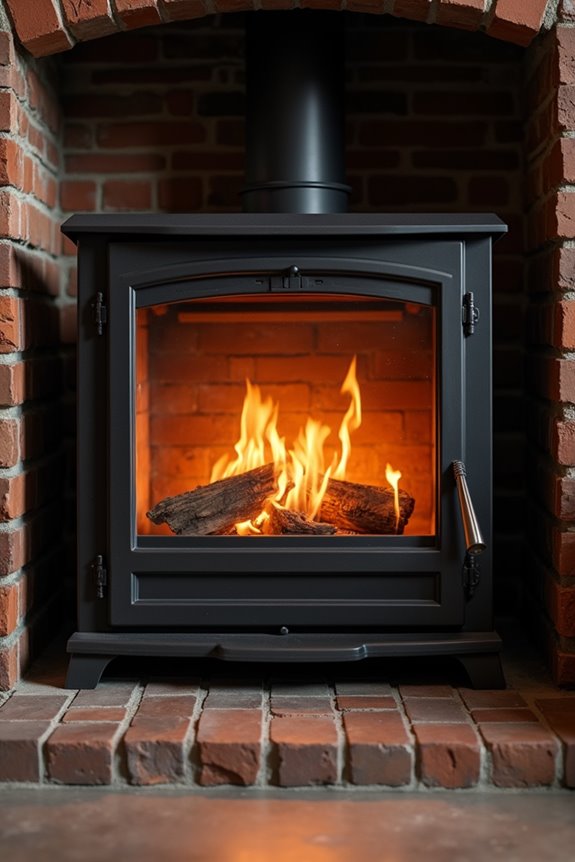
How do you know if your fireplace insert’s damper and venting system are actually safe? Watch for these warning signs that demand professional attention:
- Smoke rolling back into your home consistently during operation
- Negative pressure making doors slam or creating drafts
- Rust or damage visible on your damper
- Wide-open spaces above old dampers suggesting liner issues
You’ll want a CSIA-certified chimney sweep inspecting your system yearly. They’ll check damper integrity, spot creosote buildup, and verify your liner works properly. Pay attention to these red flags! If your insert isn’t connected to a flue or the damper’s inaccessible, professional inspection becomes mandatory. Backdraft conditions are dangerous. Getting expert eyes on your setup protects your family and keeps your insert performing properly.